If your dentist has mentioned that you may need a dental bone graft before implants, it is natural to feel a little uncertain. The good news is that bone grafting is a routine, well-understood step that helps set your implants up for long-term success. This guide explains, in plain language, why a bone graft is sometimes needed, the common types, what the experience is actually like, and how healing works, so you can walk into your consultation feeling informed rather than anxious.
Why is a dental bone graft needed for implants?
A dental implant works by anchoring into your jawbone, where it acts like a sturdy replacement tooth root. For that to work, there needs to be enough healthy bone in the right place. When bone has thinned or shrunk, a graft rebuilds the foundation so the implant has something solid to hold onto. Bone loss in the jaw is common and can happen for several reasons:
- A missing tooth. When a tooth is gone, the bone that once supported it tends to shrink over time because it is no longer being used.
- A tooth extraction. After a tooth is removed, the empty socket can lose volume as it heals.
- Long-term denture wear. Traditional dentures rest on the gums and do not stimulate the bone the way natural roots do.
- Natural resorption. Some people simply have less bone height or width in certain areas of the jaw.
A bone graft for dental implants restores that lost volume so the implant can be placed securely and last for years.
Common types of bone grafting
Bone grafting is not one-size-fits-all. The type you may need depends on where the bone loss is and how much support has to be rebuilt. Here are the most common approaches:
| Procedure | What it does |
|---|---|
| Socket preservation | Placed right after a tooth is removed to protect the socket and keep the bone from collapsing, making future implant placement easier. |
| Ridge augmentation | Rebuilds the width or height of the jaw ridge when bone has already shrunk, restoring a stable base for an implant. |
| Sinus lift | Adds bone in the upper jaw near the sinus cavity, where bone is often too thin for an implant. The sinus floor is gently lifted to make room for the graft. |
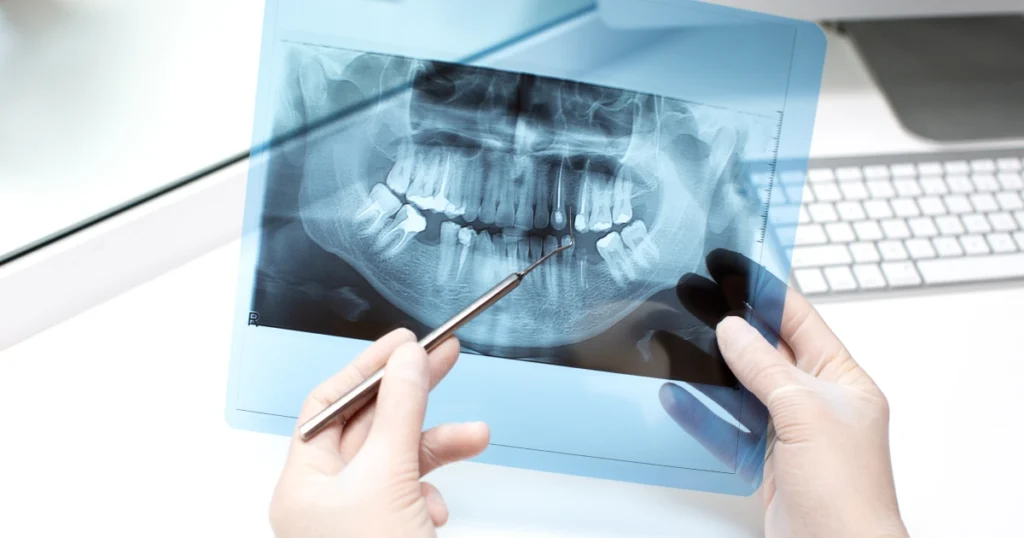
A sinus lift is especially common when replacing upper back teeth, because the sinus naturally sits low in that part of the jaw. During your consultation, imaging helps our team see exactly how much bone you have and which approach, if any, is right for you. You can read more on our bone grafting & sinus lift page.
What to expect during a dental bone graft
Many patients are relieved to learn that a bone graft is a comfortable, straightforward procedure. Here is a general sense of what happens:
- The area is thoroughly numbed so the procedure is comfortable, and sedation options can be discussed if you feel nervous.
- Grafting material is placed where bone needs to be rebuilt. Over the following months, your body naturally grows new bone into and around it.
- The site is protected so healing can begin, and you head home the same day with clear aftercare instructions.
Our implant-focused dentists have extensive training in placing implants and the grafting procedures that support them, so your care stays coordinated from start to finish. Most patients describe the recovery as far easier than they expected.
Recovery and healing
After a graft, mild soreness or swelling for a few days is normal and usually managed with simple overthe-counter measures and the aftercare guidance we provide. The bigger part of healing happens quietly beneath the surface: it typically takes a few months for the graft to fully integrate and mature into strong, implant-ready bone. That waiting period is what allows your implant to be placed with confidence later on. The exact timeline varies from person to person, and we will give you a realistic estimate based on your situation.
How bone grafting fits into implant treatment
Think of a bone graft as preparing the ground before building. For many patients, it is a preliminary step that makes the difference between an implant that feels solid for decades and one that never hada stable base. This is true for single implants and for larger cases such as full-arch dental implants or full-mouth dental implants, where a strong foundation across the jaw matters even more.
Wandering if you need it?
Not everyone needs grafting. Some patients have plenty of healthy bone and can move straight to implant placement. The only way to know is an evaluation with imaging, which is exactly what happens at your first visit. When you are ready to find out where you stand, schedule a consultation and we will give you an honest, clear plan.
Frequently asked questions
Why do I need a dental bone graft before an implant?
A dental implant needs enough healthy jawbone to anchor into. If bone has thinned from a missing tooth, an extraction, denture wear, or natural shrinkage, a bone graft rebuilds that foundation so the implant can be placed securely and last.
Is a bone graft painful?
The area is fully numbed, so the procedure itself is comfortable, and sedation options are available if you feel anxious. Most patients report only mild soreness for a few days afterward, managed with simple aftercare.
What is the difference between socket preservation, ridge augmentation, and a sinus lift?
Socket preservation protects the bone right after a tooth is removed. Ridge augmentation rebuilds a jaw ridge that has already shrunk. A sinus lift adds bone in the upper jaw near the sinus, where bone is often too thin for an implant.
How long does it take to heal from a bone graft?
Surface soreness usually settles within a few days. The graft itself typically needs a few months to mature into strong, implant-ready bone before the implant is placed. Your exact timeline depends on your case.
Will I always need a bone graft for implants?
No. Many patients have enough healthy bone to proceed directly to implant placement. An evaluation with imaging at your consultation tells us whether grafting is needed for you.
Is bone grafting routine?
Yes. Bone grafting is a common, well-established part of modern implant treatment. Our implant-focused dentists have extensive training in these procedures and perform them as a standard step toward a lasting result.