
Swollen Jaw or Face from a Tooth: Is It a Dental Emergency?
Waking up with a swollen jaw or a puffy, tender face is alarming, and when it is coming from a tooth it deserves attention quickly. Dental swelling is often a sign of infection, and while many cases can be treated promptly in the dental chair, some warning signs mean you should seek care right away. This guide explains what causes a swollen jaw or face, how to tell an urgent situation from a true emergency, and what to do while you arrange care. EXO Dental treats dental infections and emergencies across all three of our offices.
Important: this is general information, not a diagnosis. If swelling is spreading quickly, affecting your breathing or swallowing, or reaching toward your eye, treat it as a medical emergency and get care immediately, as described below.
What causes a swollen jaw or face from a tooth?
Facial or jaw swelling that starts around a tooth usually points to an infection or inflammation. Common causes include:
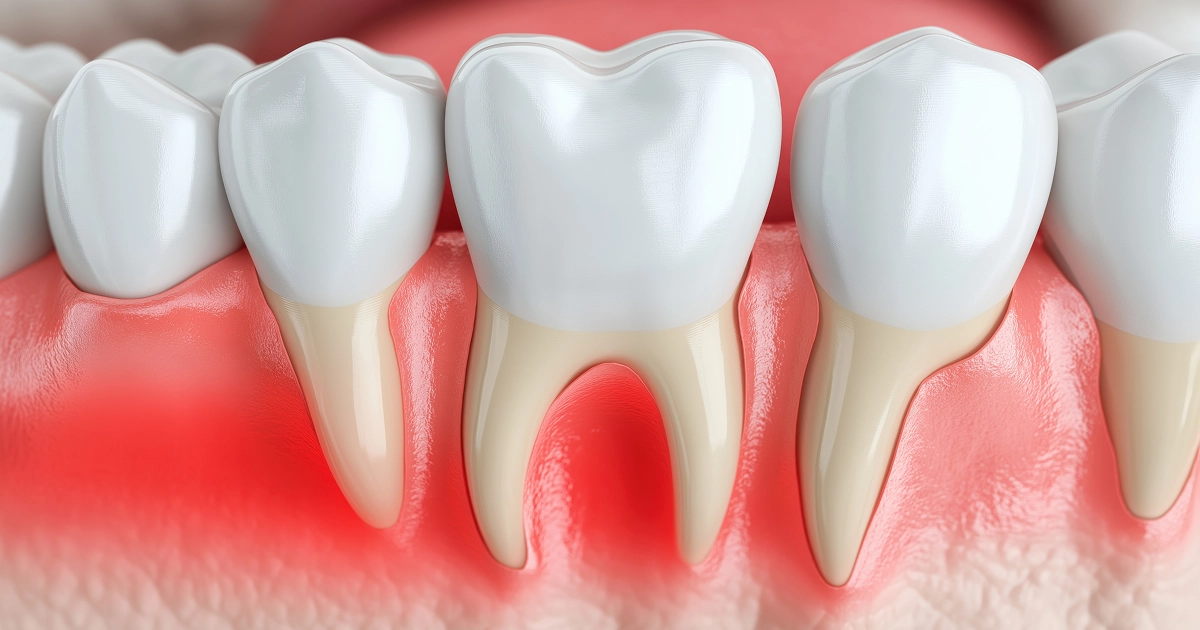
- A dental abscess. A pocket of infection at the root of a tooth or in the gum is one of the most frequent reasons for facial swelling. Our guide on tooth abscesses covers this in depth.
- Advanced tooth decay that has reached the nerve inside the tooth.
- Gum (periodontal) infection around the base of a tooth.
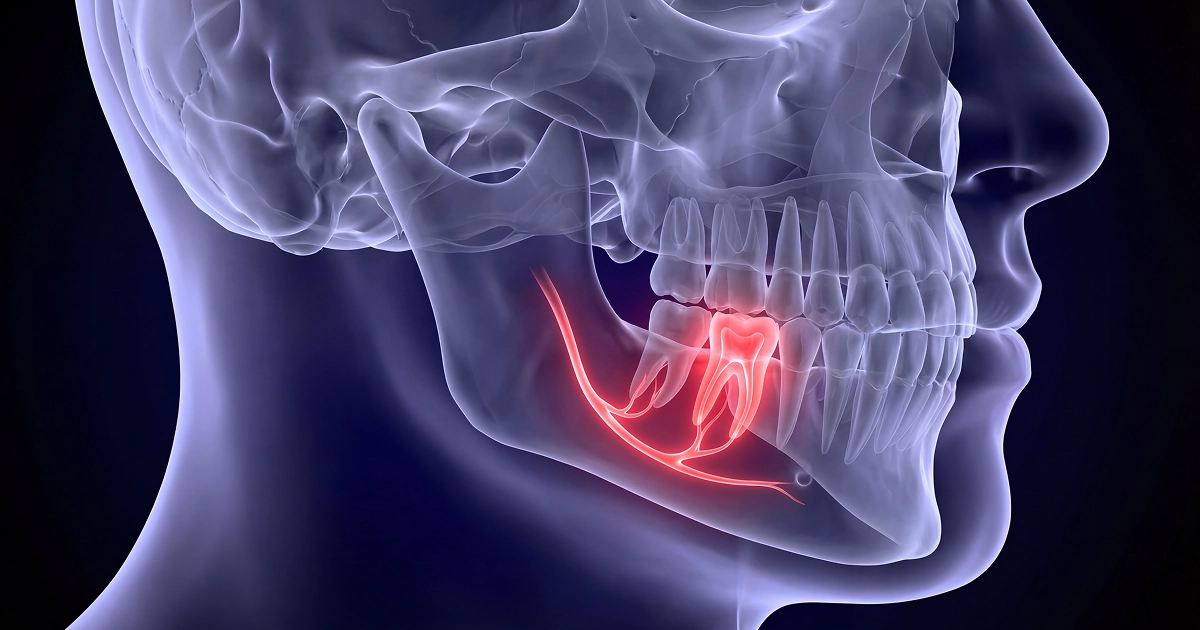
- An impacted or erupting wisdom tooth, which can cause swelling and tenderness at the back of the jaw.
- A cracked tooth that has allowed bacteria to reach the inner tooth.
- Recent dental trauma or, occasionally, swelling after a procedure.
The swelling itself is your body responding to infection. That is exactly why it should not be ignored, because dental infections do not resolve on their own and can spread if left untreated.
When swelling is a true emergency
Most dental swelling can be handled with a prompt dental visit, but certain symptoms mean the infection may be spreading to areas that are dangerous. Seek emergency medical care (an emergency room or call 911) right away if you have:
- Difficulty breathing or swallowing
- Swelling that is spreading rapidly across the face or down into the neck
- Swelling that is pushing toward or closing your eye
- A high fever with chills alongside the swelling
- Difficulty fully opening your mouth
These can signal a serious, fast-moving infection that needs immediate treatment. When in doubt in these situations, do not wait for a dental appointment; get emergency care.
When it is urgent but not life-threatening
If you have facial or jaw swelling from a tooth but none of the red-flag symptoms above, it is still urgent and you should be seen by a dentist as soon as possible, ideally the same day. Signs that fit this category include localized swelling around one tooth or one area of the jaw, throbbing tooth pain, tenderness when you bite, sensitivity to hot or cold, or a bad taste from a draining abscess. A dentist can find the source and treat the infection before it worsens.
What to do right now
While you arrange to be seen, these steps can ease symptoms:
- Apply a cold compress to the outside of your cheek for 15 minutes at a time to help with swelling and discomfort.
- Rinse gently with warm salt water to soothe the area and keep it clean.
- Take over-the-counter pain relief as directed on the label, if it is safe for you.
- Keep your head elevated, including when sleeping, which can help reduce swelling.
- Stay hydrated and stick to soft foods.
What not to do
- Do not apply heat to the outside of the face over an active infection, which can encourage swelling to spread.
- Do not try to pop or drain the swelling yourself.
- Do not rely on leftover antibiotics or someone else’s prescription. Antibiotics alone do not remove the source of a dental infection, and they should only be taken when prescribed for you.
- Do not wait and hope it passes. Dental infections need treatment of the underlying cause.
How a dentist treats the cause
Relieving the swelling means treating the infection at its source. Depending on what your dentist finds, that may involve draining an abscess, performing a root canal to clean out an infected tooth, treating gum infection, removing a problem tooth such as an impacted wisdom tooth, and prescribing antibiotics when appropriate to support treatment. The right approach depends entirely on an exam and often an X-ray, which is why being seen matters so much.
Preventing it from happening again
Many dental infections trace back to untreated decay or gum problems that built up over time. Regular checkups let a dentist catch small issues before they turn into painful, swollen emergencies, and good daily brushing and flossing keep the risk down. If a tooth has been nagging you, having it looked at early is far easier than managing an infection later.
A swollen jaw or face from a tooth is your body asking for help. If you are dealing with swelling and none of the emergency warning signs above apply, contact us as soon as possible so we can find the cause and treat it before it worsens. If the red-flag symptoms are present, please seek emergency care right away.
EXO Dental serves patients at three offices: Rogers, AR · Topeka, KS · Van Buren, AR.
Contact the office nearest you for urgent care.
Frequently asked questions
Is a swollen jaw always a dental emergency?
Not always, but it should always be taken seriously. Localized swelling from a tooth needs a prompt dental visit, ideally the same day. Swelling that affects breathing or swallowing, spreads quickly, or reaches your eye is a medical emergency, so get care right away.
Why is my face swollen from a toothache?
Facial swelling with a toothache usually means infection, often a dental abscess at the root of the tooth or in the gum. The swelling is your body responding to that infection, and it needs treatment to resolve.
Can a swollen jaw from a tooth go away on its own?
Swelling may rise and fall, but the underlying dental infection will not clear without treatment. Even if symptoms ease briefly, the infection can return and spread, so see a dentist.
What can I do for a swollen jaw at home before I see a dentist?
Use a cold compress on the outside of the cheek, rinse gently with warm salt water, keep your head elevated, and take over-the-counter pain relief if it is safe for you. Avoid applying heat, and get seen promptly.
Should I go to the ER or a dentist for a swollen jaw?
If you have trouble breathing or swallowing, rapidly spreading swelling, swelling near your eye, or a high fever, go to the emergency room. Otherwise, a dentist is the right place to treat the source of the infection.
How fast can a dental infection spread?
It varies, but dental infections can worsen quickly, sometimes over hours to a couple of days. That is why same-day care is recommended for facial swelling and why red-flag symptoms call for emergency treatment.
Does EXO take my insurance?
EXO is fee-for-service and out-of-network. If you have dental benefits, you may be able to submit for out-of-network reimbursement, and we can provide itemized documentation to help.