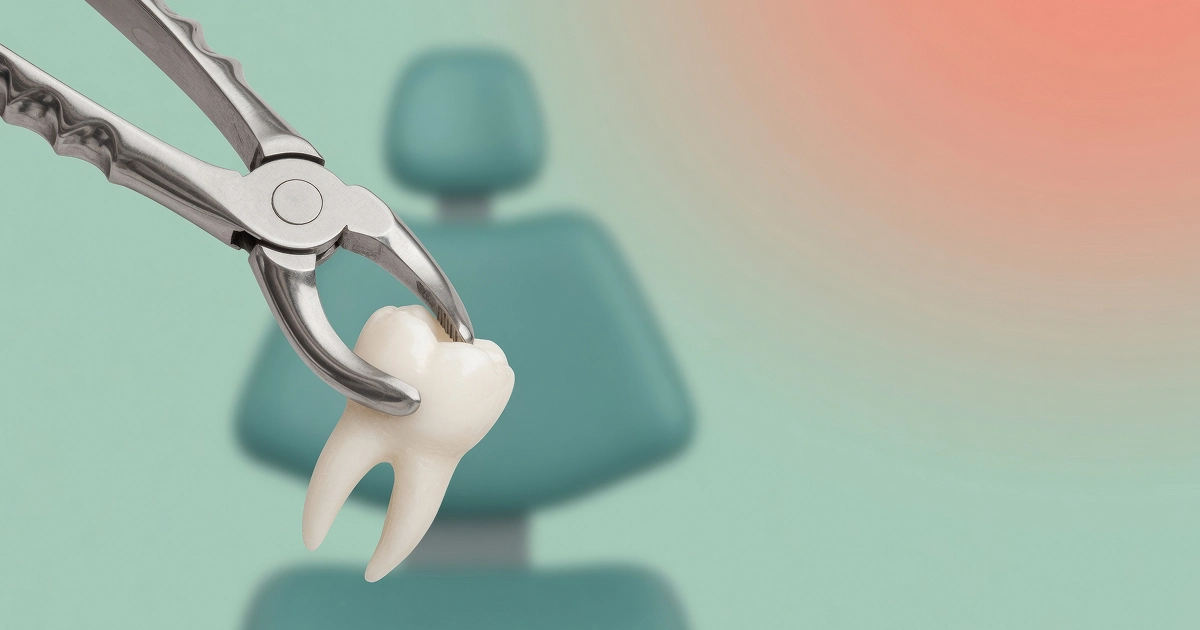
Is a Lost Filling or Crown a Dental Emergency?
Most of the time, a lost filling or a crown that fell off is urgent-ish rather than drop-everything. You can usually take sensible steps at home and be seen within a day or two. But treat it as more urgent if you have severe or worsening pain, noticeable swelling, a fever, a sharp edge that’s cutting your tongue or cheek, or a tooth that’s extremely sensitive to hot, cold, or air. Those are signs you should be seen promptly.
Here’s why you shouldn’t ignore it either way: once a filling or crown is gone, the tooth underneath is exposed. That surface is more vulnerable to decay, cracking, and sensitivity, and the bite can shift in just a few days. The longer it stays open, the more likely a simple fix becomes a larger one. If you’re unsure whether your situation counts, our overview of what counts as a dental emergency can help you gauge it.
What to Do Right Away (First Steps at Home)
Find and keep the crown if you can.
If a crown fell off whole, don’t toss it. Rinse it gently, dry it, and tuck it somewhere safe — a small container or a plastic bag. Bring it to your appointment. If the tooth is healthy underneath, an intact crown can sometimes be re-cemented, which is the simplest outcome.
Gently clean the area.
Rinse your mouth with warm salt water to clear away food debris and soothe the tissue. Keep brushing, but be gentle around the exposed tooth.
Protect the exposed tooth.
Temporary dental cement from a pharmacy is made for exactly this and can shield the area or hold a crown short-term. In a pinch, a small piece of sugarless gum can cover an exposed spot for a very short time. Either way, this is a stopgap — not a repair — so still book your visit. If there’s a sharp edge, covering it helps protect your tongue and cheek.
Avoid chewing on that side.
Favor the other side of your mouth, and steer clear of very hot, very cold, hard, crunchy, or sticky foods that could lodge in the gap or pull a temporary cover loose.
Ease soreness if needed.
Over-the-counter pain relief, used as directed on the label, can take the edge off. For a sensitive spot, a tiny amount of clove oil dabbed on with a cotton swab can help. Use it sparingly.
Call a dentist to be seen.
This is the step that actually solves the problem. Let the office know what happened so they can fit you in appropriately.
What NOT to Do
- Don’t use household or super glue to re-attach a crown. These products are toxic, can damage the tooth and surrounding tissue, and can trap bacteria underneath — making things worse and complicating the professional repair. Never put household glue in your mouth.
- Don’t put an aspirin directly on the gum or tooth. It’s a stubborn myth. Aspirin is an acid and can burn the soft tissue rather than relieve pain. Take pain relievers by swallowing them as directed instead.
- Don’t keep chewing on the exposed tooth. That’s how a vulnerable tooth cracks.
- Don’t ignore it. Even if it doesn’t hurt, the clock is ticking on the exposed surface.
Why Fillings and Crowns Come Loose
A restoration rarely fails for no reason. Common culprits include new decay forming at the edges or underneath (which weakens the bond), normal wear over many years, a hard bite or a blow to the mouth, teeth grinding that stresses the restoration night after night, or simply old cement that has finally given way. The important takeaway: because decay underneath is one of the leading causes, the real issue may be hidden — which is exactly why a prompt exam matters, even when the tooth feels fine.
What the Dentist Will Do
Here’s the reassuring part. Your dentist will examine the tooth and usually take an image to see what’s happening below the surface. If the crown is intact and the tooth beneath is healthy, it may simply be cleaned and re-cemented — quick and straightforward. If there’s decay or damage, you may need a new filling or a new crown. In some cases, if the nerve is involved, a root canal may be recommended. And if a tooth is too far gone to save, your dentist will talk with you about replacing it — for example with a dental implant that looks and functions like a natural tooth. An honest exam is what decides the path; often it’s the simplest option.
How to Avoid Losing One Again
A few habits go a long way. Keep up with regular checkups so weak spots and early decay are caught before a restoration lets go. Skip chewing ice, hard candy, and sticky sweets that stress your fillings and crowns. And if you grind your teeth at night, ask about a custom nightguard — it protects both your natural teeth and your restorations while you sleep.
A lost filling or crown is almost always easy to fix when you handle it promptly — so don’t panic. Call the EXO Dental office nearest you and we’ll help you protect the tooth and get it restored. And if you have severe pain, swelling, or a fever, please see an emergency dentist right away.
EXO Dental serves patients at three offices: Rogers, AR · Topeka, KS · Van Buren, AR.
Frequently asked questions
Is a lost filling or crown an emergency?
Usually it’s urgent but not dire — you can take care of the tooth at home and be seen within a day or two. It becomes more urgent with severe pain, swelling, a fever, a sharp cutting edge, or strong sensitivity. Either way, see a dentist promptly.
Can I put my crown back on myself?
You can temporarily hold it in place with pharmacy dental cement as a stopgap if it slips back on comfortably, but never use household or super glue. See a dentist to have it properly re-cemented or replaced.
What can I use to cover the tooth temporarily?
Temporary dental cement from the pharmacy is the best option, or a small piece of sugarless gum for a very short time. Cover any sharp edges to protect your tongue and cheek. Remember, it’s only until you’re seen.
Does it hurt to lose a filling or crown?
Sometimes. The exposed tooth can be sensitive to hot, cold, sweet foods, or even air. Over-the-counter pain relief used as directed usually helps until you can get treatment.
Why did my filling or crown fall out?
Often it’s decay underneath, worn-out cement, a hard bite, or nighttime grinding. Your dentist will check for hidden decay, since that’s a frequent cause.
What happens if I wait too long?
The exposed tooth can decay, break, or become infected over time. That can turn a simple re-cement into a much bigger fix — so don’t delay getting it looked at.