
Fast Ways to Ease a Toothache Right Now
When you need tooth pain relief fast, start with the gentle, low-risk options:
- Rinse with warm salt water. Stir about half a teaspoon of salt into a glass of warm water and swish for 20 to 30 seconds. It helps clean the area and can calm irritated gum tissue.
- Floss gently around the sore tooth. Sometimes a toothache is really a piece of food wedged against the gum or between teeth. Easing it out carefully can bring surprising relief.
- Use a cold compress. Hold a cold pack or an ice pack wrapped in a towel against the outside of your cheek for 15 to 20 minutes at a time. Cold helps numb the area and ease swelling.
- Take OTC pain relief as directed. Over-the-counter pain relievers can help — just follow the directions on the label and don’t exceed what it says.
- Keep your head elevated. Propping your head up helps reduce the throbbing pressure, which is a big help at night.
- Try a little clove oil. Clove oil is a traditional remedy for tooth pain. Dab a small amount on the sore spot with a cotton swab, and use it sparingly.
- Be kind to the tooth. Avoid very hot, very cold, sugary, or hard foods, and chew on the opposite side until you can be seen.
These steps can genuinely help you cope, but none of them removes the underlying cause. If the pain keeps coming back, it’s a signal to book an appointment.
Why Toothaches Often Feel Worse at Night
If your toothache at night feels more intense than it did during the day, you’re not imagining it. When you lie down, more blood flows to your head, and that extra pressure around an already irritated tooth or nerve can make throbbing feel worse. On top of that, nighttime has fewer distractions — no work, no errands, nothing to pull your focus away from the pain — so it tends to feel louder.
A few things can make the night easier: prop your head up with an extra pillow so you’re not lying completely flat, avoid eating right before bed (especially anything sugary or acidic), and keep water and your OTC pain relief within reach so you’re not stumbling around at 3 a.m. These tips can help you get some rest, but if pain is keeping you up, that’s exactly the kind of toothache a dentist should look at soon.
What NOT to Do for a Toothache
Some well-meaning “remedies” can actually make things worse. Please avoid these:
- Don’t place aspirin directly on the gum or tooth. This is a common myth, and it’s a harmful one — aspirin is acidic and can burn your gum tissue. It won’t numb the tooth. If you’re using a pain reliever, swallow it as directed instead.
- Don’t ignore it and hope it passes. Even if the pain quiets down, the cause is usually still there.
- Don’t overuse pain relievers. Stay within the directions on the label.
- Don’t apply heat to a swollen area. Heat can worsen swelling if there’s an infection — stick to cold.
- Don’t poke at the tooth with sharp objects. Pins, toothpicks, and the like can damage the tooth or gum and introduce bacteria.
What's Causing Your Toothache?
Understanding the “why” can take some of the fear out of the situation. Common causes of tooth pain include a cavity, a cracked or broken tooth, an exposed or inflamed nerve, a dental abscess (an infection), gum disease, a lost or loose filling, sinus pressure, or wisdom teeth pushing through.
If your pain comes with swelling, a bad taste, or a fever, the cause may be an infection — and infections need prompt professional care. Our companion guide on the signs and causes of a tooth abscess explains what to watch for and when an abscess becomes an emergency. If you think you’ve cracked or broken the tooth, our guide on what to do with a chipped or broken tooth can help in the meantime.
Here’s the honest truth, though: these causes can feel very similar from the outside, and you can’t reliably tell them apart on your own. Only a dentist can pinpoint what’s actually wrong — which is exactly why home relief is a stopgap, not an answer.
When a Toothache Means You Should See a Dentist Now
As a general rule, book an appointment promptly if your pain lasts more than a day or two, keeps coming back, or interferes with eating or sleeping. Don’t wait for it to become unbearable.
Treat it as an emergency and seek urgent emergency dental care right away if you have any of these red flags:
- A fever along with the tooth pain
- Swelling in your face, jaw, or gum
- A bad taste or discharge coming from the area
- Pain with difficulty breathing or swallowing
- Severe, throbbing pain that simply won’t stop
- A broken or knocked-out tooth
These signs can point to a spreading infection or serious damage, and they shouldn’t wait. If you’re not sure how urgent your situation is, it’s always okay to call and ask — that’s what we’re here for.
What to Expect at the Dentist
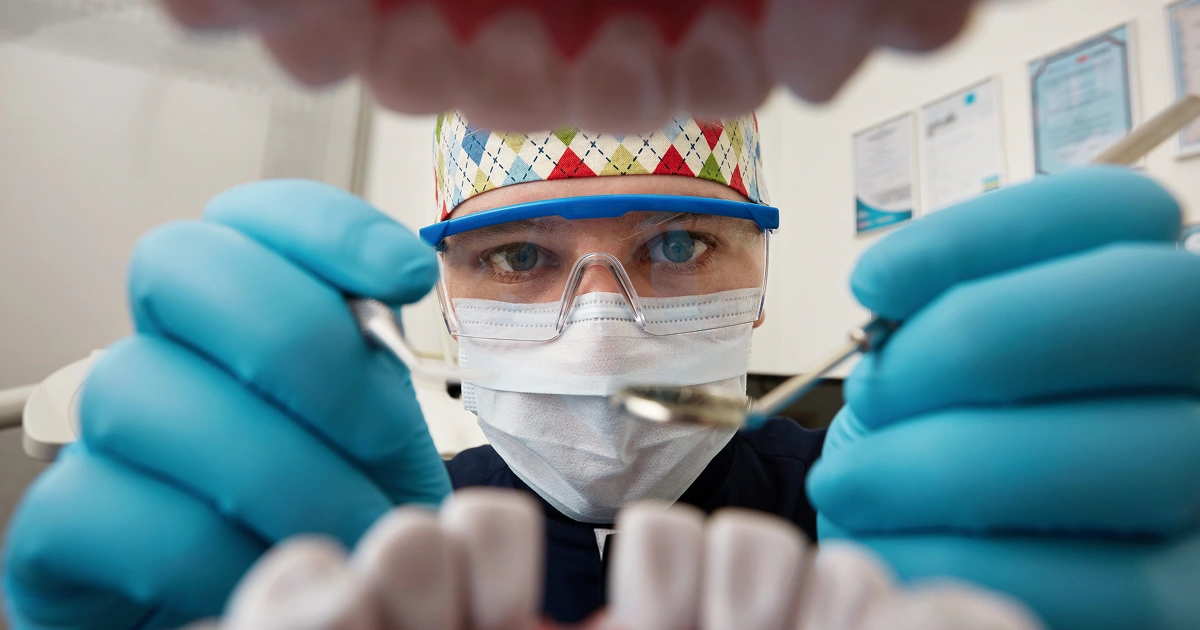
If it’s been a while, try not to worry. When you come in, the dentist will examine the tooth, take images to see what’s happening below the surface, and find the true cause of the pain. That’s the key difference between professional care and home remedies: treating the actual source is what truly stops the pain, instead of just masking it for a few hours.
What happens next depends on the cause. It might be a simple filling, a root canal to save the tooth, treatment for an abscess, or a repair for a crack. Whatever it is, getting seen sooner usually means a simpler, more comfortable fix — so if you’re in pain, don’t put off that exam.
Preventing the Next Toothache
Once you’re out of pain, a little prevention goes a long way:
- Brush twice a day and floss daily to keep cavities and gum disease at bay.
- Keep up with routine checkups so small problems get caught before they start to hurt.
- Mention any sensitivity early rather than waiting for it to turn into real pain.
- If you grind your teeth, ask about a nightguard.
- Skip chewing ice and hard candy, which can crack a tooth in an instant.
Home remedies can take the edge off, but a toothache is a signal, not a problem that fixes itself — the pain comes back until the cause is treated. If your tooth pain is severe, won’t quit, or comes with swelling or fever, don’t wait it out: reach out for emergency dental care and let us get you comfortable. We’re ready to help you find relief and protect your smile.
EXO Dental serves patients at three offices: Rogers, AR · Topeka, KS · Van Buren, AR.
Frequently asked questions
How can I stop a toothache fast at home?
Try a warm salt-water rinse, a cold compress on the outside of your cheek, OTC pain relief taken as directed, and gentle flossing to remove any trapped food. These ease the pain temporarily — they don’t fix the cause, so still see a dentist.
Why is my toothache worse at night?
Lying down increases blood flow to your head, which can intensify the throbbing, and there are fewer distractions to take your mind off it. Prop your head up with an extra pillow, and plan to see a dentist soon.
Can a toothache go away on its own?
Sometimes the pain fades, but the underlying cause usually remains and can flare up again or quietly get worse. Don’t rely on it passing — get it checked.
Is it safe to put aspirin on my tooth or gum?
No. Placing aspirin directly on the gum or tooth is a myth that can burn the tissue, and it won’t relieve the pain. Take pain relief as directed on the label instead.
When is a toothache a dental emergency?
Seek urgent care if you have a fever, swelling in the face or jaw, trouble breathing or swallowing, severe pain that won’t stop, or a broken or knocked-out tooth.
What will a dentist do for my toothache?
The dentist will find and treat the actual cause — which may mean a filling, a root canal, treatment for an abscess, or a repair — and that’s what truly stops the pain for good.