What are wisdom teeth, and why are they often removed?
Wisdom teeth are the third and final set of molars, usually arriving in the late teens or early twenties. Some people get all four, some get fewer, and some never develop them at all. When there’s enough room and they come in straight and healthy, wisdom teeth don’t necessarily need to be removed.
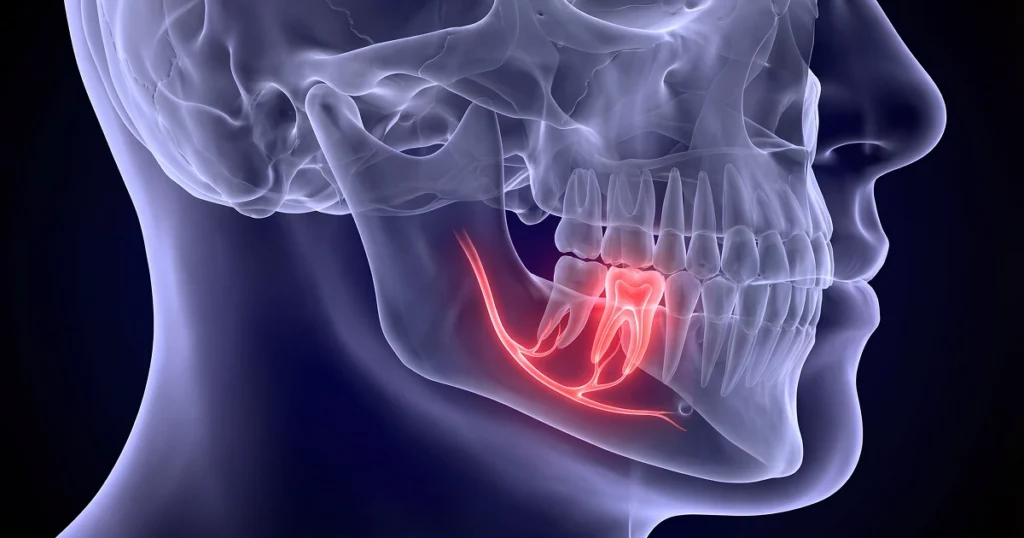
The trouble is that there often isn’t enough room. When a wisdom tooth can’t fully erupt, it becomes an impacted wisdom tooth — stuck against the neighboring molar, angled sideways, or trapped below the gum. Common reasons our dentists recommend removal include:
- Impaction — the tooth is blocked and can’t come in properly.
- Crowding — pressure on the teeth in front of it.
- Infection or gum problems — a partially erupted tooth can trap food and bacteria, leading to repeated infection (pericoronitis).
- Decay — wisdom teeth sit far back and are hard to clean, which makes them prone to cavities.
- Cysts or damage — in some cases a fluid-filled sac can form around an impacted tooth and affect nearby bone or roots.
Signs your wisdom teeth may need to come out
There isn’t a single symptom that means removal is required, but these are the signs that bring people in for an exam:
- Aching, throbbing, or pressure at the very back of the jaw
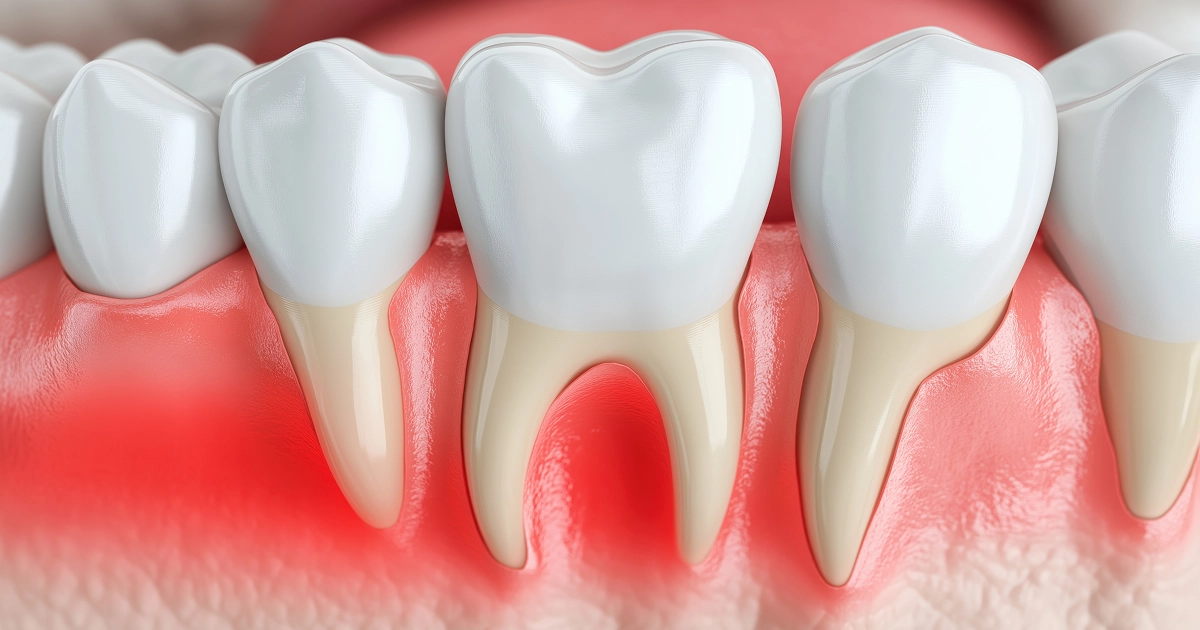
- Swelling, tenderness, or redness in the gums behind your last molar
- A bad taste or odor, or trouble fully opening your mouth
- Repeated soreness that comes and goes in the same spot
- New crowding or shifting you can feel in your bite
Some wisdom teeth cause no symptoms at all and are still worth monitoring on X-rays. Others cause real discomfort. Either way, an exam is the only way to know what’s happening below the surface.
What does wisdom teeth removal involve?
A wisdom tooth extraction can be fairly simple or more involved, and which one you need depends on the tooth. A wisdom tooth that has fully erupted and is easy to reach may be removed much like a routine extraction. An impacted tooth, or one still under the gum or bone, usually calls for a surgical approach, which may involve a small incision in the gum and sometimes removing the tooth in sections to protect the surrounding bone.
If you’d like the full breakdown of how these two approaches differ, we cover it in detail in our guide on simple vs. surgical extraction. The short version: the position and angle of the tooth, shown on your X-rays, is what determines the approach — not a guess made beforehand.
Anesthesia and staying comfortable
Comfort is one of the first things people ask about, and it’s a fair question. Wisdom teeth removal is done with the area fully numbed using local anesthetic, so you shouldn’t feel pain during the procedure. Depending on the complexity and your comfort level, additional sedation options may be part of the conversation. During your exam, our dentists will walk you through what to expect and answer questions about anesthesia so there are no surprises on the day.
Wisdom teeth recovery: what the timeline looks like
Most of the healing happens over the first week or so, though everyone heals at their own pace and surgical extractions generally take a little longer than simple ones. A typical pattern looks like this:
- First 24 hours: Rest, keep gauze in place as directed, and let the clot form. Some bleeding, swelling, and soreness are normal.
- Days 2–3: Swelling often peaks around this point, then begins to ease. Cold compresses can help.
- Days 3–7: Discomfort usually settles steadily. Many people feel noticeably better by the end of the week.
- Beyond a week: The gum tissue continues to close and heal over the following weeks.
Good aftercare makes a real difference. General guidance includes resting for the first day or two, eating soft foods, staying hydrated, avoiding straws and smoking, keeping the area clean with gentle rinsing once your dentist says it’s okay, and following any specific instructions you’re given. Take any prescribed or recommended medication as directed, and reach out to our team if something doesn’t feel right.
The dry socket warning
One recovery risk worth knowing about is dry socket, which can happen when the protective blood clot over the extraction site is dislodged too early — often linked to using straws, smoking, or vigorous rinsing in the first few days. It can cause a throbbing ache a few days after the procedure. The good news is that it’s largely preventable with careful aftercare, and it’s treatable if it happens. We explain the symptoms, causes, and prevention steps in our dedicated post on dry socket.
Wisdom teeth removal cost: what affects it
The biggest driver of wisdom teeth removal cost is how complex the extraction is. A simple extraction of a fully erupted tooth sits at the lower end, while a surgical removal of an impacted tooth costs more. Other factors include how many teeth are being removed, anesthesia or sedation choices, and any imaging involved.
To give you a rough frame of reference, general national estimates often put a single simple extraction somewhere in the range of about 75–300, and an impacted or surgical wisdom tooth extraction commonly higher, often in the range of about 225–600 per tooth. These are general national estimates, not EXO’s prices — your actual cost is determined at an exam. For a fuller look at what moves the number up or down, see our breakdown of tooth extraction cost.
A note on insurance: EXO is a fee-for-service, out-of-network practice. If you have dental benefits, you can submit for out-of-network reimbursement, and we provide itemized documentation to make that easier. Your plan determines what, if anything, it reimburses.
If your wisdom teeth are bothering you — or a dentist has flagged them — the clearest next step is an exam. Our dentists at EXO can take X-rays, talk through your options honestly, and help you decide what’s right for you, with no pressure either way. Book an exam at the office nearest you.
EXO Dental serves patients at three offices: Rogers, AR · Topeka, KS · Van Buren, AR.
Frequently asked questions
Do all wisdom teeth need to be removed?
No. If they’re healthy, come in properly, and can be cleaned, they may be fine to keep. An exam and X-rays are the way to know.
How do I know if my wisdom tooth is impacted?
You might feel pressure, swelling, or recurring soreness at the back of your jaw — but impaction is confirmed on X-rays, not by symptoms alone.
Will the procedure hurt?
The area is fully numbed, so you shouldn’t feel pain during removal. Mild soreness afterward is normal and usually manageable.
How long is recovery?
Most people feel noticeably better within about a week, though surgical extractions can take a little longer. Full gum healing continues over the following weeks.
What is dry socket and how do I avoid it?
It’s when the healing clot is dislodged too early. Avoiding straws, smoking, and vigorous rinsing in the first few days helps prevent it. See our dry socket guide for more.
How much does wisdom teeth removal cost?
It depends mainly on complexity and how many teeth are removed. See the general estimates above — your actual cost is determined at an exam.
Can I use my insurance?
EXO is out-of-network. You can submit for out-of-network reimbursement, and we provide itemized documentation to help.
What should I eat afterward?
Soft foods and plenty of fluids for the first few days, avoiding straws. Follow the specific aftercare instructions you’re given.