What gum recession is
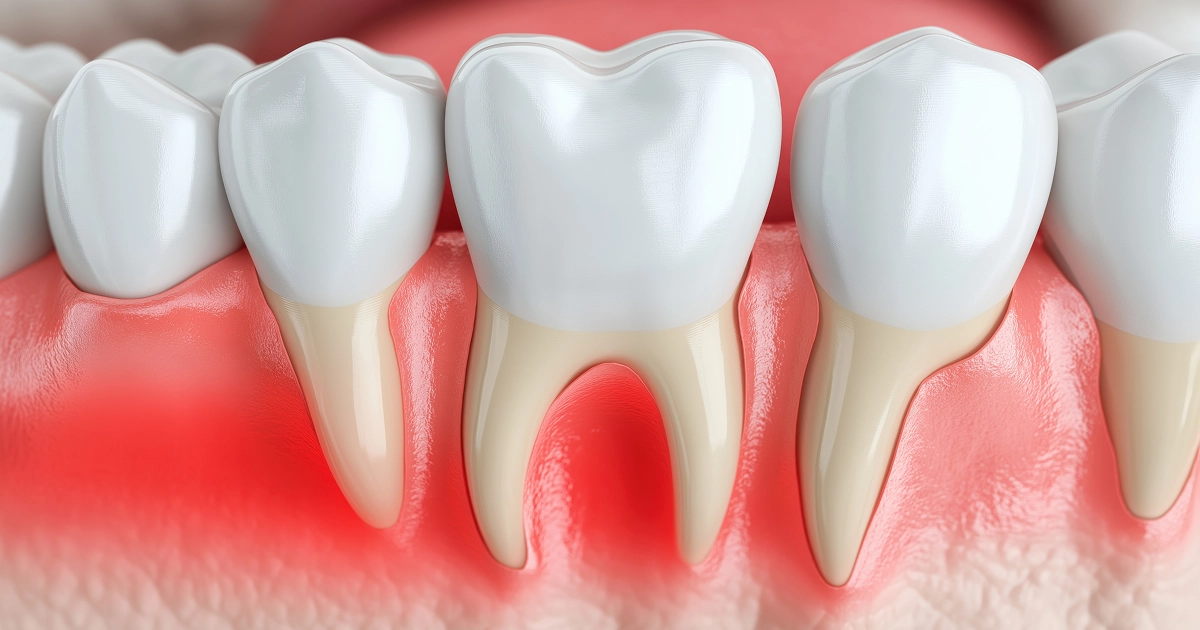
Your gums are meant to hug each tooth in a snug collar, covering the root and protecting the bone underneath. With gum recession, that collar shrinks back. The exposed root does not have the hard enamel that covers the rest of the tooth, so it is more sensitive and more vulnerable to decay. Recession can affect a single tooth or several, and it is usually permanent once it happens — which is why catching it early matters so much.
Signs of receding gums
Recession can be subtle, but there are a few things to watch for:
- Sensitivity to hot, cold, sweet, or acidic foods and drinks, especially near the gumline.
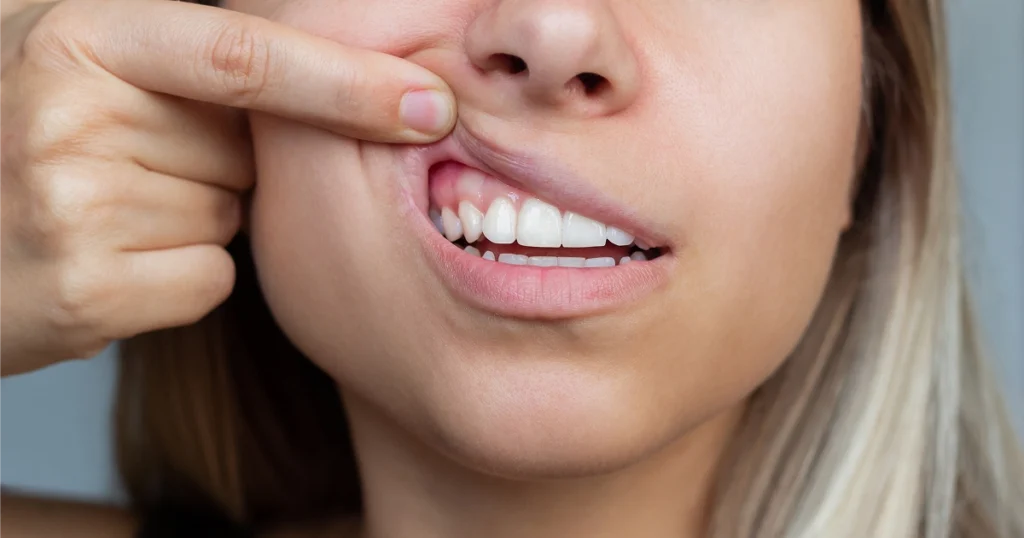
- Teeth that look longer than they used to, or a smile that seems to show more tooth.
- Exposed roots — a yellower, slightly rougher surface near the gum, different from the whiter crown above it.
- A notch or groove at the gumline, where the tooth may feel like it has a small step or dip when you run a fingernail over it.
- Uneven gumlines, where one or two teeth sit lower than their neighbors.
A single symptom does not confirm recession, and only an in-person exam can tell you what is actually going on. But if you notice any of these, it is worth having a dentist take a look.
Common causes of gum recession
Recession usually has more than one cause working together. The most common include:
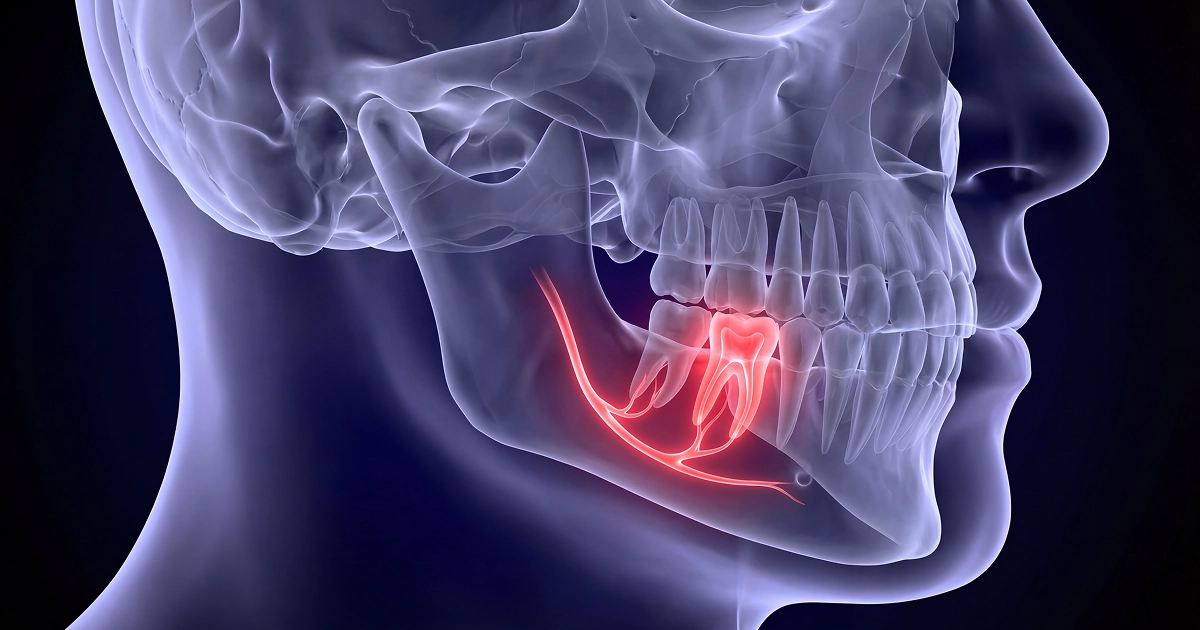
- Gum disease. Infection and inflammation of the gums can break down the tissue and bone that support your teeth. Because gum disease is the biggest single driver of recession, it deserves its own full explanation — see our pillar guide linked below for the stages, signs, and treatment.
- Aggressive or hard brushing. Scrubbing hard, or using a stiff-bristled brush, can physically wear the gums away over time. More pressure does not mean cleaner teeth.
- Teeth grinding and clenching (bruxism). The extra force, often during sleep, can stress the gumline and contribute to recession.
- Genetics. Some people simply have thinner gum tissue, which is more prone to receding.
- Misalignment. Crowded or crooked teeth can be harder to clean and can put uneven pressure on the gums.
- Tobacco use. Smoking and smokeless tobacco are linked to gum problems and can make recession worse.
The honest truth: receded gum tissue does not grow back on its own
This is the part people most want a different answer to. Once gum tissue has receded, it does not regenerate or “grow back” by itself, and no toothpaste, rinse, or home remedy will rebuild it. What you can do is stop or slow the recession from getting worse, protect the exposed areas, and, in more advanced cases, have tissue restored surgically. Acting early is the single most effective thing you can do, because the tissue you still have is easier to keep than lost tissue is to replace.
Receding gums treatment options
Treatment starts with finding the cause, because stopping the source is what prevents further loss. Depending on what your dentist finds, options may include:
- Addressing the underlying cause. If gum disease, grinding, or tobacco is driving the recession, managing that comes first.
- Improving your brushing technique. Switching to a soft-bristled brush and using gentle, angled strokes — your dentist or hygienist can show you how — protects the gums you have.
- A custom nightguard. If grinding is a factor, a nightguard cushions the teeth and reduces the force on your gumline.
- A deep cleaning (scaling and root planing). If gum disease is involved, this cleans below the gumline to remove bacteria and help the gums settle.
- Gum grafting. For more advanced recession, a gum graft adds tissue to cover an exposed root, reduce sensitivity, and protect the tooth. Your dentist can explain whether grafting is appropriate for your situation and what it involves. For related background on how grafting is used elsewhere in the mouth, see our dental bone graft guide linked below.
Every mouth is different, and the right plan is determined at an exam — not from an article. Our dentists are experienced in evaluating recession and will talk through the options that fit you.
How to stop receding gums from getting worse
Prevention and progression control overlap. To protect your gums:
- Brush gently twice a day with a soft-bristled brush, and floss daily.
- Keep up with regular dental cleanings and checkups so changes are caught early.
- Wear a nightguard if you grind or clench.
- Avoid tobacco.
- Mention sensitivity or gumline changes to your dentist as soon as you notice them.
People often ask what treatment runs. Costs vary widely by what is needed and where you live. As a rough sense of scale, gum grafting in the United States is often cited in the range of roughly 600–1,200 per tooth or site — these are general national estimates, not EXO’s prices, and your actual cost is determined at an exam. EXO Dental is fee-for-service and out-of-network; if you have dental benefits, you may be able to submit for out-of-network reimbursement, and we provide itemized documentation to make that easier.
A note on cost
If you have noticed sensitivity, longer-looking teeth, or changes at your gumline, the most helpful next step is an in-person exam so a dentist can see what is happening and talk through your options. Our dentists are experienced in evaluating and treating gum recession, and they will give you honest, clear guidance — no pressure. Book an exam at the office nearest you.
EXO Dental serves patients at three offices: Rogers, AR · Topeka, KS · Van Buren, AR.
Frequently asked questions
Can receding gums grow back?
No. Receded gum tissue does not regenerate on its own, and no product rebuilds it. You can stop further recession and, in advanced cases, have tissue restored with a gum graft.
Is gum recession a sign of gum disease?
It can be. Gum disease is one of the most common causes, but recession can also come from hard brushing, grinding, genetics, misalignment, or tobacco. An exam is the only way to know your cause.
Does gum recession always need surgery?
No. Many cases are managed by addressing the cause, adjusting brushing technique, and treating gum disease or grinding. Grafting is typically reserved for more advanced recession.
Why are my teeth sensitive near the gumline?
Exposed roots lack the enamel that covers the rest of the tooth, so they react more to hot, cold, and sweet. Sensitivity is a common early sign of recession worth having checked.
Can I fix receding gums at home?
You can protect your gums at home with gentle brushing, daily flossing, and avoiding tobacco, but home care cannot restore lost tissue. Professional evaluation guides what is actually needed.
How do I know if my gums are receding?
Watch for sensitivity, teeth that look longer, visible roots, or a notch at the gumline. These are reasons to see a dentist, who can confirm whether recession is present.
Is a gum graft painful?
Discomfort varies by person and procedure. Your dentist will explain what to expect for your situation; we don’t promise a specific outcome, and the right approach is decided at an exam.
How can I stop my gums from receding further?
Brush gently with a soft brush, floss daily, keep regular checkups, wear a nightguard if you grind, and avoid tobacco. Early attention gives you the best chance to preserve the tissue you have.