Why your diet matters after an extraction
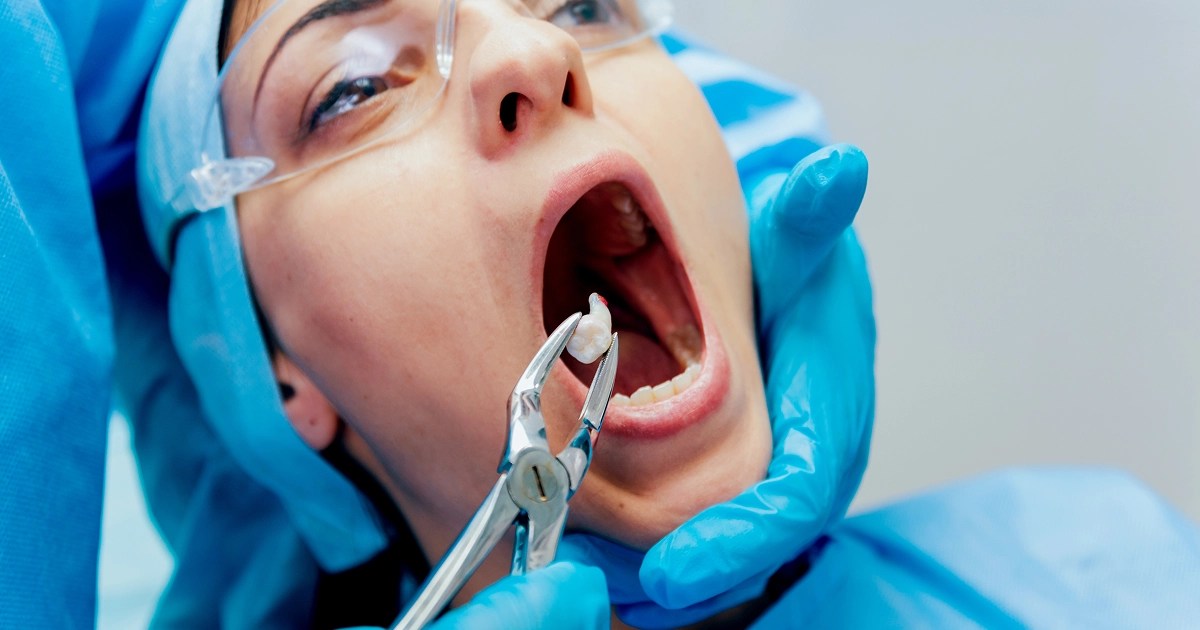
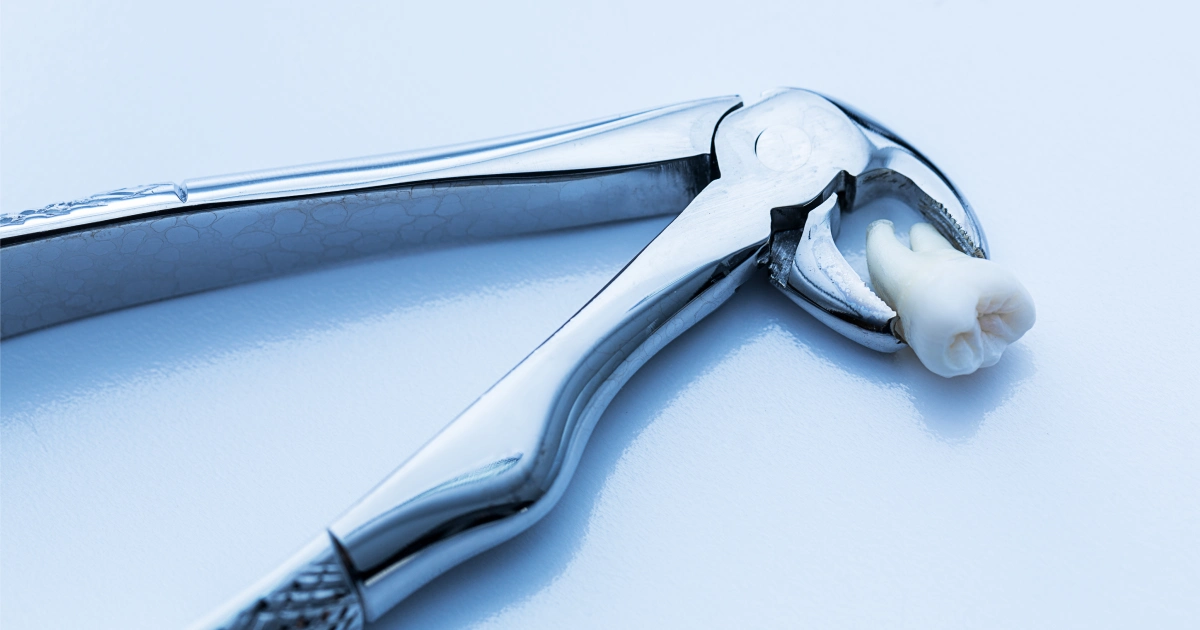
After an extraction, a blood clot forms in the empty socket and acts like a natural bandage. Eating the wrong things too soon can dislodge that clot or pack food into the site, which slows healing and can lead to a painful complication called dry socket. Soft, cool, easy-to-chew foods let you stay fed and hydrated while leaving the clot undisturbed. Think of the first few days as a short window where “gentle” beats “satisfying,” and normal eating returns sooner than you might expect.
The first 24 hours
For the rest of the day after your extraction, stick to soft foods and cool or lukewarm liquids. Let the area settle before you ask much of it. Good first-day options include:
- Yogurt and smooth pudding
- Applesauce
- Lukewarm (not hot) broth or blended soup
- A smoothie eaten with a spoon
- Mashed banana
Chew on the opposite side of your mouth, take small amounts, and let food cool to body temperature before eating.
Soft foods to eat in the first few days
As the first day passes, you can widen the menu as long as everything stays soft and does not require much chewing:
- Mashed potatoes
- Scrambled or soft-cooked eggs
- Oatmeal or cream of wheat, served warm rather than hot
- Well-cooked, soft pasta
- Cottage cheese
- Soft, flaky fish
- Avocado
- Hummus
- Soft-cooked or pureed vegetables
Try to include some protein at each meal, since protein supports healing. Staying well hydrated with water throughout the day helps too.
Foods and habits to avoid
Certain foods and habits raise the risk of dislodging the clot or irritating the site. For the first several days, steer clear of:
- Drinking through a straw. The suction can pull the clot loose. This is one of the most common causes of dry socket.
- Smoking or vaping. The suction and the chemicals both interfere with healing.
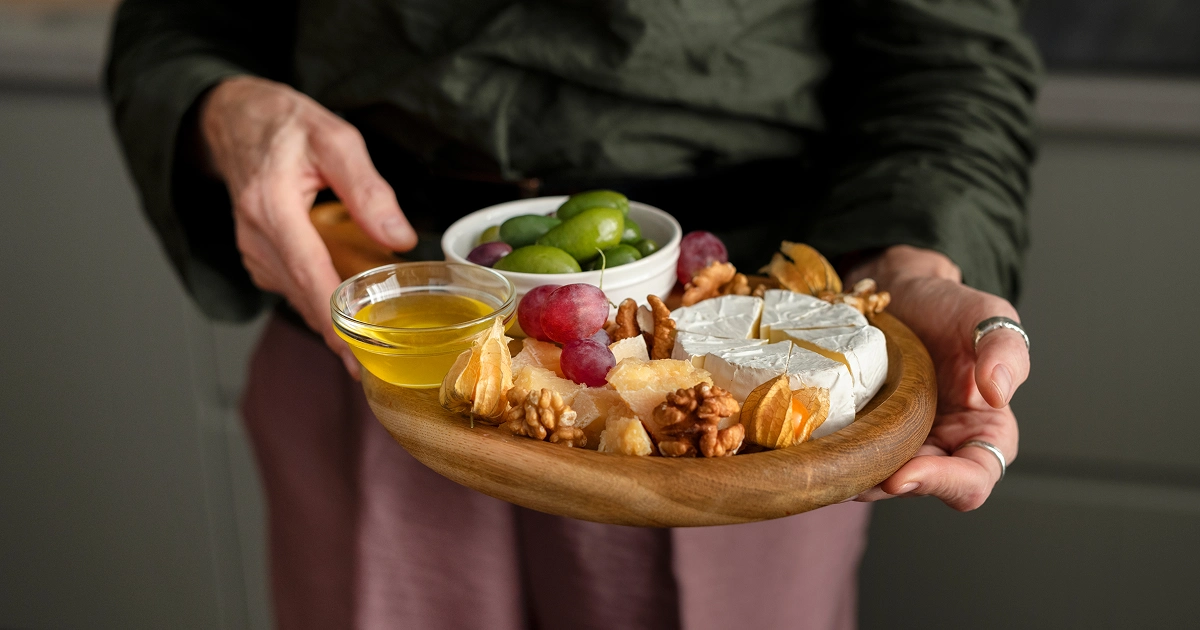
- Crunchy or hard foods such as chips, nuts, popcorn, and raw vegetables.
- Chewy or sticky foods such as caramel, steak, and crusty bread.
- Small, lodge-prone foods such as seeds, rice, and granola that can work into the socket.
- Very hot foods and drinks, which can irritate the area and affect the clot.
- Spicy and acidic foods that may sting the healing tissue.
- Alcohol, which can slow healing and may interact with pain medication.
If you want the full picture on the complication these habits can cause, our guide on dry socket explains the warning signs and how to prevent it.
A simple day-by-day guide
Everyone heals at their own pace, but a typical recovery looks roughly like this:
- Day 1: Liquids and the softest foods only. Rest and keep the area undisturbed.
- Days 2 to 3: Continue soft foods. Gentle warm salt-water rinses often begin around this point if your dentist advises them, but rinse softly rather than swishing hard.
- Days 4 to 7: Gradually reintroduce slightly firmer foods as comfort allows, still chewing away from the site.
- Week 2 and beyond: Most people return to a normal diet as the area continues to close and feel stronger, easing back toward harder and chewier foods last.
Let comfort be your guide. If something hurts, back off and give it another day.
Tips to protect the clot and heal faster
- Keep chewing on the opposite side until the area feels ready.
- Do not poke the socket with your tongue, a finger, or utensils.
- Resume gentle brushing of your other teeth, keeping the extraction site clear until your dentist says otherwise.
- Prop your head up a little when resting in the first day or two.
- Follow your dentist’s guidance on any salt-water rinses, and do them gently.
When to call your dentist
Some soreness and mild swelling are normal in the first days and should steadily improve. Reach out to your dentist if you notice:
- Pain that worsens around day 3 to 5 instead of improving, which can signal dry socket
- A bad taste or odor, or an empty-looking socket
- Bleeding that does not slow with gentle pressure
- Fever, spreading swelling, or swelling that makes it hard to swallow or breathe (seek urgent care right away)
When in doubt, call. It is always better to have a quick look than to wait and wonder.
Healing well starts with good aftercare, and every mouth is a little different. If you have an extraction coming up, or you are recovering and something does not feel right, our team is glad to guide you or take a look.
EXO Dental serves patients at three offices: Rogers, AR · Topeka, KS · Van Buren, AR.
Book an exam at the office nearest you.
Frequently asked questions
What can I eat right after a tooth extraction?
Stick to soft, cool foods for the rest of the first day: yogurt, applesauce, smooth pudding, lukewarm broth, smoothies eaten with a spoon, and mashed banana. Avoid anything hot, hard, or chewy.
When can I eat normally again after an extraction?
Most people gradually return to a normal diet over one to two weeks, adding firmer foods as comfort allows. Reintroduce hard and chewy foods last, and always chew away from the site at first.
Why can’t I use a straw after a tooth extraction?
The suction from a straw can pull the protective blood clot out of the socket, which is a leading cause of dry socket. Skip straws for at least several days.
Can I eat ice cream after a tooth extraction?
Plain, soft, cold ice cream can feel soothing early on, but skip cones, hard mix-ins, and anything you have to chew. Eat it with a spoon and avoid very sugary or crunchy toppings.
How long should I eat soft foods?
A few days at minimum, and often up to a week, depending on the extraction and how you feel. Surgical extractions usually need a longer soft-food window than simple ones.
What happens if food gets stuck in the socket?
Do not dig at it. A gentle warm salt-water rinse (if your dentist has cleared you to rinse) can help loosen debris. If it persists or the area hurts, call your dentist.
Does EXO take my insurance?
EXO is fee-for-service and out-of-network. If you have dental benefits, you may be able to submit for out-of-network reimbursement, and we can provide itemized documentation to help.